



In the age of automation, AI, and smart factories, it’s easy to assume machines run the show. But behind every precisely molded product, from medical devices to consumer packaging, there is a human expert ensuring everything works flawlessly—the plastic processing operator. This role, often overlooked, sits at the intersection of engineering, production efficiency, and quality control, making it a critical function in today’s manufacturing ecosystem.
For startup founders, entrepreneurs, and tech professionals, understanding the value of a plastic processing operator goes beyond factory floors. It reveals how modern production systems truly operate—where human expertise complements advanced machinery to deliver scalable, reliable outcomes.
Understanding the Role of a Plastic Processing Operator
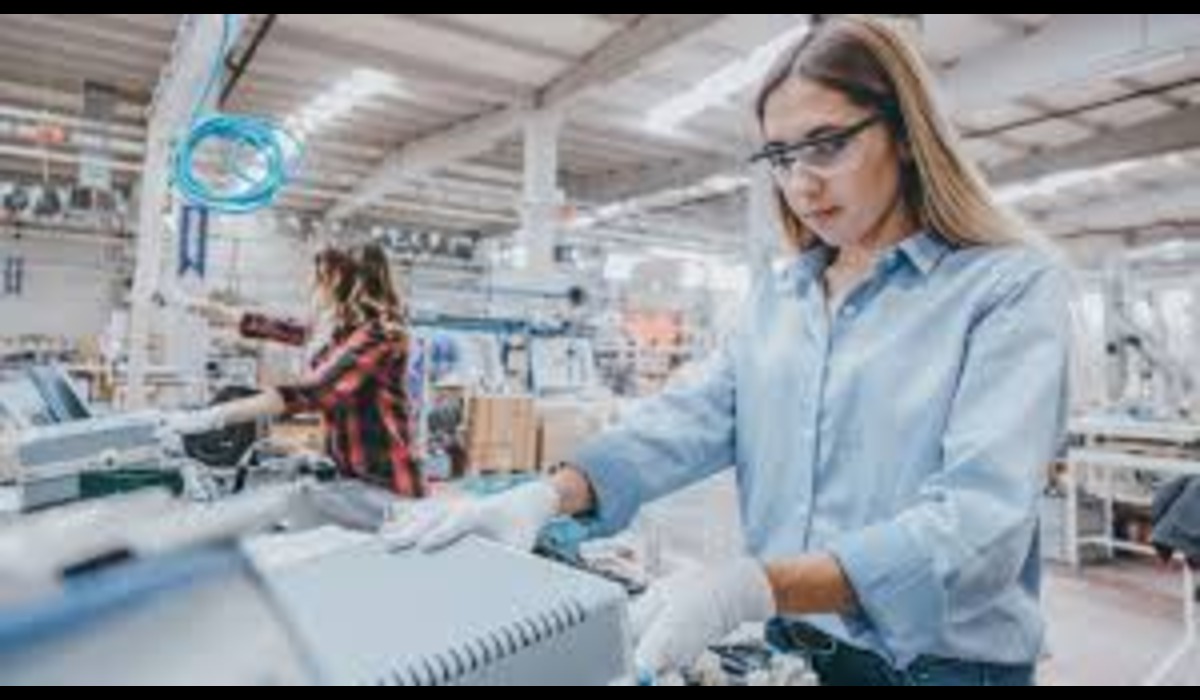
A plastic processing operator is responsible for managing and overseeing machinery that shapes raw plastic materials into finished products. These professionals work with technologies like injection molding, extrusion, and blow molding to produce items that meet strict design and quality standards.
In real-world terms, imagine a startup launching a new hardware product. While design and prototyping may happen digitally, the physical product depends on precise manufacturing. A plastic processing operator ensures that every unit produced matches the intended specifications, minimizing defects and maximizing consistency.
This role is not just about pressing buttons—it requires technical knowledge, attention to detail, and the ability to troubleshoot issues in real time.
Why Plastic Processing Operators Matter in Today’s Economy
The global reliance on plastic products is immense. From healthcare to automotive and consumer electronics, plastic components are everywhere. Behind this massive production network are skilled operators who keep systems running efficiently.
For businesses, especially startups scaling production, the expertise of a plastic processing operator can directly impact:
- Production speed
- Product quality
- Operational costs
- Customer satisfaction
Without skilled operators, even the most advanced machines can produce inconsistent or defective outputs. In competitive markets, that margin of error can be costly.
The Core Responsibilities of a Plastic Processing Operator
While the exact duties may vary depending on the industry and equipment, the core responsibilities remain consistent. A plastic processing operator typically sets up machines, monitors production processes, and ensures that final products meet quality standards.
They also play a key role in maintaining equipment, adjusting machine settings, and identifying inefficiencies. For example, if a batch of molded parts shows minor defects, the operator must quickly diagnose whether the issue lies in temperature settings, material quality, or machine calibration.
This combination of technical skill and problem-solving makes the role both demanding and highly valuable.
Key Skills That Define an Effective Plastic Processing Operator
The effectiveness of a plastic processing operator depends on a blend of technical and soft skills. While machinery knowledge is essential, adaptability and critical thinking are equally important.
An operator must understand material behavior, machine mechanics, and production workflows. At the same time, they need to communicate effectively with engineers, supervisors, and quality assurance teams.
In many ways, the role resembles that of a systems operator in tech—monitoring performance, identifying issues, and optimizing output continuously.
Technologies Used by Plastic Processing Operators
Modern manufacturing has evolved significantly, and so has the role of the plastic processing operator. Today’s operators work with advanced machinery integrated with digital controls, sensors, and automation systems.
Injection molding machines, for instance, now include programmable logic controllers (PLCs) that allow operators to fine-tune production parameters with high precision. Similarly, extrusion systems rely on temperature and pressure controls that require careful monitoring.
For tech professionals, this presents an interesting parallel: manufacturing is becoming increasingly data-driven. Operators are no longer just machine handlers—they are data interpreters who use real-time insights to improve performance.
Comparing Traditional and Modern Plastic Processing Operations
To better understand how the role has evolved, consider the following comparison:
| Aspect | Traditional Operations | Modern Operations |
| Machine Control | Manual adjustments | Automated and digitally controlled |
| Data Usage | Minimal | Real-time monitoring and analytics |
| Skill Requirements | Basic mechanical knowledge | Advanced technical and analytical skills |
| Efficiency | Moderate | High and optimized |
| Error Handling | Reactive | Predictive and proactive |
This shift highlights why the plastic processing operator is becoming increasingly important in modern industry. As systems grow more complex, the need for skilled oversight grows as well.
The Role in Startup and Entrepreneurial Ecosystems
For startups entering manufacturing, hiring or partnering with experienced plastic processing operators can significantly reduce risk. Early-stage companies often focus heavily on product design and market fit, but production challenges can quickly derail progress.
A skilled operator ensures that production runs smoothly from the beginning, helping startups avoid costly delays and quality issues. This is especially critical when scaling from prototype to mass production.
Entrepreneurs who understand this dynamic are better positioned to build sustainable operations. Instead of treating manufacturing as an afterthought, they integrate it into their strategic planning.
Challenges Faced by Plastic Processing Operators
Despite its importance, the role comes with its own set of challenges. Operators must work in high-pressure environments where downtime can lead to significant losses. They are expected to maintain consistent output while adapting to changing production requirements.
Additionally, the increasing complexity of machinery means continuous learning is essential. Operators must stay updated with new technologies, software systems, and industry standards.
There’s also the challenge of sustainability. As industries move toward eco-friendly practices, operators must adapt to new materials and processes that may behave differently from traditional plastics.
Sustainability and the Future of Plastic Processing Operators
Sustainability is reshaping the manufacturing landscape, and the role of the plastic processing operator is evolving معها. Biodegradable plastics, recycling processes, and energy-efficient systems are becoming more common.
Operators now need to understand how alternative materials behave under different conditions. This requires not only technical training but also a mindset shift toward environmentally responsible production.
For businesses, this presents both a challenge and an opportunity. Companies that invest in skilled operators who can handle sustainable processes will be better positioned for the future.
Career Growth and Opportunities
The demand for skilled plastic processing operators continues to grow, particularly in regions with strong manufacturing sectors. As technology advances, the role is becoming more specialized, opening up opportunities for career progression.
Experienced operators can move into supervisory roles, quality control positions, or even process engineering. For tech-savvy individuals, there’s also potential to transition into roles involving automation and industrial data analysis.
This career path offers stability, growth, and the chance to work at the forefront of manufacturing innovation.
Conclusion
The plastic processing operator is no longer just a behind-the-scenes worker—they are a key player in modern manufacturing. Their ability to bridge the gap between machinery and human insight makes them indispensable in an increasingly automated world.
For startup founders, entrepreneurs, and tech professionals, recognizing the value of this role can lead to smarter production strategies and more sustainable growth. As industries continue to evolve, the importance of skilled operators will only increase.
In the end, innovation isn’t just about technology—it’s about the people who make that technology work.