




Introduction
Choosing the correct light switch height is important for comfort, safety, and accessibility. Whether you are building a new home, renovating a room, or upgrading electrical fixtures, following the standard light switch height ensures ease of use and compliance with building guidelines.
This guide explains the standard light switch height, recommended measurements, code considerations, and best practices for residential and commercial spaces.
What Is the Standard Light Switch Height?
The most commonly recommended light switch height in residential buildings is:
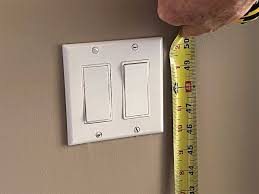
- 48 inches (4 feet) from the finished floor to the bottom of the switch box
This height allows easy access for most adults and meets common construction standards.
Some builders also install switches at:
- 44–46 inches depending on design preferences
Light Switch Height According to Building Codes
While local codes may vary, general guidelines include:
- The switch should be easily reachable
- Height should not obstruct accessibility
- ADA-compliant homes may require lower placement
Always check local electrical codes before installation.
Light Switch Height for Accessibility (ADA Guidelines)
For accessible and wheelchair-friendly homes, recommended light switch height is:
- 15 to 48 inches above the finished floor
This range ensures the switch can be reached comfortably by all users.
Light Switch Height in Different Rooms
Living Room
- Standard light switch height: 48 inches
- Easy access near entry points
Bedroom
- Same standard height
- Optional bedside switches at lower height
Kitchen
- Standard height but adjusted for countertops
- Avoid placing switches behind cabinets
Bathroom
- Standard height
- Must follow moisture safety guidelines
Why Proper Light Switch Height Matters
Installing the correct light switch height helps with:
- Daily convenience
- Safety and usability
- Accessibility for children and elderly
- Professional and clean interior design
Incorrect placement can cause discomfort and code violations.
Common Mistakes to Avoid
- Installing switches too high or too low
- Ignoring accessibility guidelines
- Placing switches behind doors or furniture
- Not following local building codes
Best Practices for Light Switch Installation
- Measure from finished floor, not subfloor
- Keep consistency throughout the house
- Plan switch placement before drywall
- Use professional electricians when unsure
FAQs About Light Switch Height
What is the standard light switch height in homes?
The standard light switch height is 48 inches from the finished floor.
Can light switch height vary by room?
Yes, but consistency is recommended unless accessibility needs differ.
Is light switch height required by code?
Most codes recommend accessibility rather than a fixed height, but 48 inches is widely accepted.
Conclusion
The correct light switch height improves comfort, accessibility, and compliance with building standards. For most homes, installing switches at 48 inches from the finished floor is ideal, while accessible designs may require adjustments.